No products in the cart.

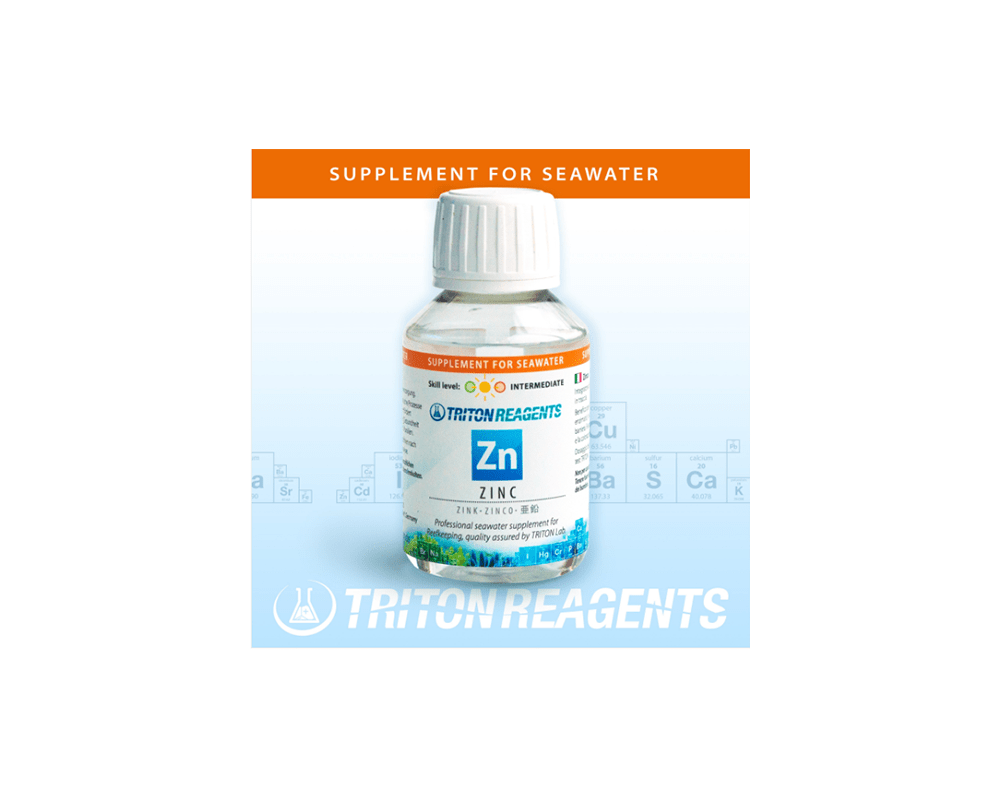
Triton Zinc is a high-purity, ultra-concentrated trace element supplement designed to maintain and correct zinc (Zn) levels in marine reef aquariums. Zinc is a fundamental micronutrient that serves as a core component in over 300 different enzymes and proteins within marine organisms. It is particularly critical for the health of coral tissue, the regulation of photosynthesis in zooxanthellae, and the synthesis of DNA. In closed reef environments, zinc is rapidly depleted through biological uptake and chemical filtration (such as protein skimming and GFO), making precise supplementation necessary to prevent tissue recession and metabolic failure.
Zinc is a "workhorse" element that supports the fundamental biological machinery of a successful reef tank.
Tissue Health & Repair: Plays a vital role in the production of carbonic anhydrase, an enzyme essential for both photosynthesis and the calcification process in stony corals.
Immune System Support: Strengthens the natural defenses of corals against pathogens and environmental stressors, helping to prevent the onset of tissue necrosis.
Enhanced Photosynthesis: Acts as a catalyst in the photosynthetic pathway of symbiotic algae (zooxanthellae), ensuring corals receive adequate energy for growth.
DNA & Protein Synthesis: Essential for cell division and the growth of new coral polyps, making it a key element for aquaculture and fragging.
Laboratory Grade Purity: Produced to the highest pharmaceutical standards to ensure the solution is free from unwanted heavy metals or contaminants.
How do I know if I need to dose Zinc? Zinc is found in natural seawater at extremely low concentrations (approx. 0.5–1.0 µg/L). It is impossible to measure with home test kits. Supplementation should only be performed based on the results of a Triton ICP-OES test.
What are the signs of a Zinc deficiency? Common symptoms include "thinning" coral tissue, loss of color intensity, and a lack of polyp extension. In extreme cases, a deficiency can trigger Slow Tissue Necrosis (STN) starting from the base of the coral.
Can I overdose Zinc? Yes. Excessive zinc levels are toxic to marine life and can lead to coral bleaching or the death of invertebrates. Never dose Zinc based on guesswork; always refer to the precise recommendation in your Triton Lab report.
Will Zinc affect my algae refugium? Zinc is a necessary nutrient for macro-algae like Chaetomorpha. While it supports their growth, a large, fast-growing refugium will deplete zinc much faster, requiring more frequent monitoring.
Triton ICP-OES Water Test: The essential diagnostic tool for measuring Zinc and 30+ other elements with laboratory precision.
Triton Manganese (Mn): Often works in tandem with Zinc to support the health of LPS corals and overall enzymatic function.
Triton Core7 Base Elements: The primary daily dosing system that provides the foundational minerals required to sustain a thriving reef.
https://petstore.ae/products/triton-base-elements-triton-method-5l?_pos=20&_sid=eae78a744&_ss=r